
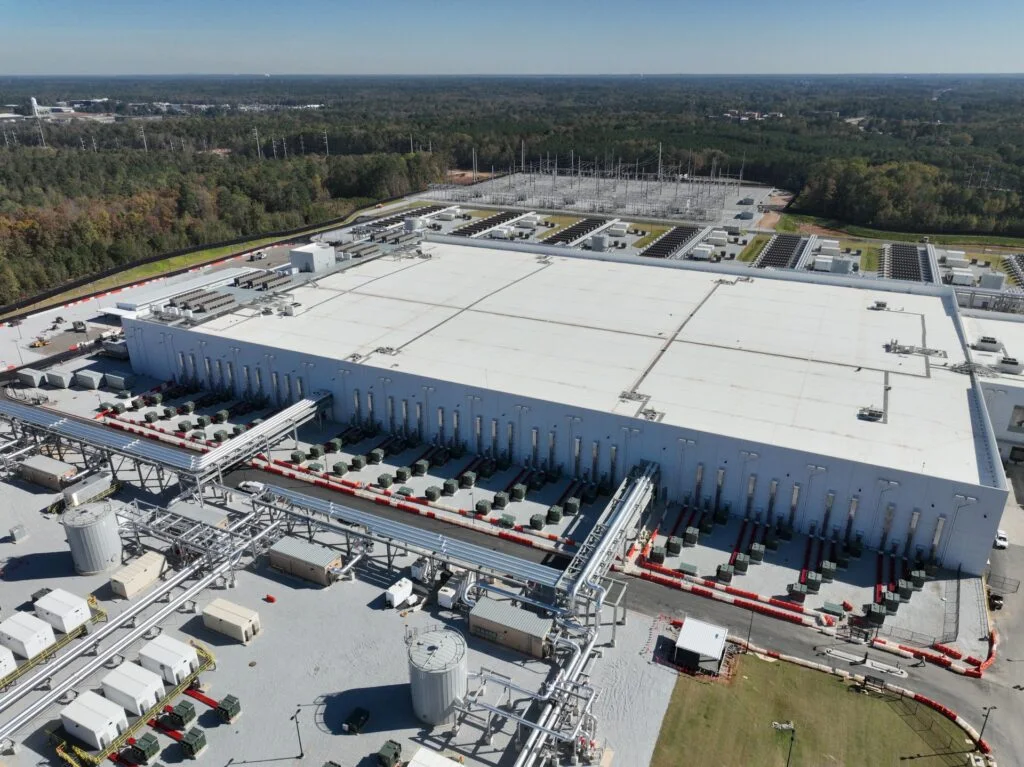
Lawmakers have introduced the Reverse Big Ugly Tax Breaks for Data Centers Act, which would prevent data centers from using Opportunity Zone incentives and 100% bonus depreciation the provision that lets companies deduct eligible equipment costs immediately rather than over time. A separate No Tax Breaks for Data Centers Act would take a narrower approach by removing data centers’ eligibility for Opportunity Zone benefits only.
The proposals reflect a growing backlash against projects that communities say strain electric grids and water supplies, raise utility costs, consume farmland, and limit local input. Gallup found that 71% of Americans oppose building an AI data center in their own community, including 48% who strongly oppose it; resource use and utility costs were leading concerns.
The policy stakes are significant. Opportunity Zones were designed to direct investment toward distressed communities, but critics argue that highly profitable technology companies do not need extra federal subsidies to build facilities driven by strong AI demand. Supporters counter that data centers generate construction work, tax revenue, and strategically important U.S. computing capacity.
Neither bill is scheduled for a vote. Still, the proposals signal that tax incentives, site selection, utility impacts, and community acceptance are becoming central risks for data-center development.