
Office-to-Anything: What Washington's Conversion Strategy Can—and Cannot—Fix
Office conversion is not one decision. It is five: geometry, infrastructure, regulation, finance and demand. Washington's Housing in Downtown and Office to Anything programs create meaningful paths to reuse, and the city has a substantial conversion pipeline. But incentives cannot fix every deep floor plate, obsolete system or weak project economics. Conversion is an important inventory correction—not a universal vacancy solution. The right question is not “Can this office become apartments?” It is “Which use can this particular building support after every constraint is priced?”
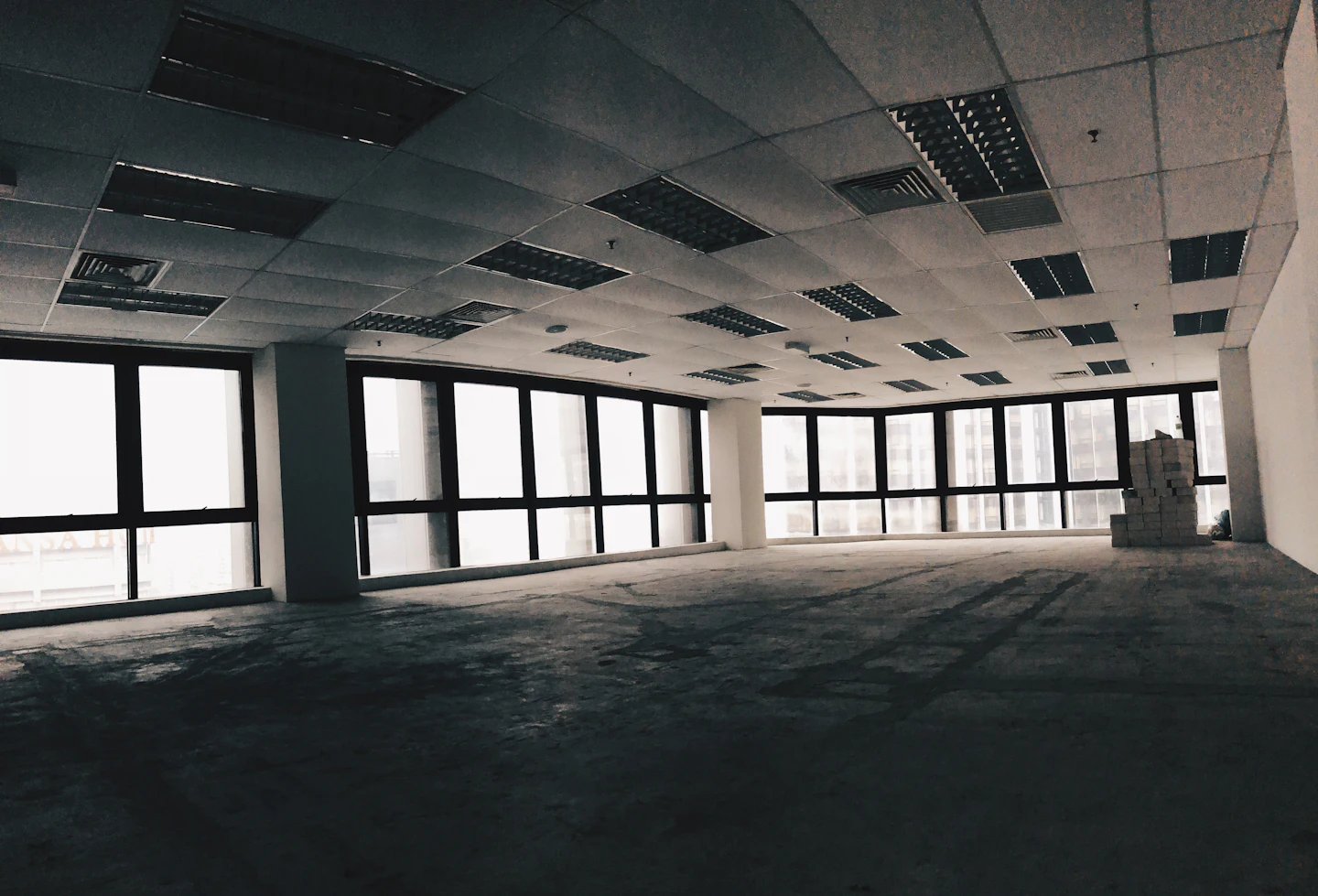
The phrase “office conversion” makes a complicated real estate problem sound like a construction project. In practice, it is a sequence of tests. Most buildings fail at least one.
Washington has created meaningful incentives for adaptive reuse. The Housing in Downtown program supports commercial-to-residential projects through long-term property-tax abatements. Office to Anything extends the idea beyond housing by supporting conversions to hotels, retail, restaurants and other eligible uses through a temporary property-tax freeze. The policy logic is sound: downtown needs more reasons to be occupied throughout the day and week, not simply a smaller office inventory.
The momentum is real. The Washington DC Economic Partnership reported that conversion projects delivered more than 3,330 residential units and 264 hotel rooms over the two years preceding its 2026 report. Fourteen additional projects were underway, expected to produce nearly 2,000 more units and more than 500 hotel rooms.
But conversion activity and conversion feasibility are not the same thing.
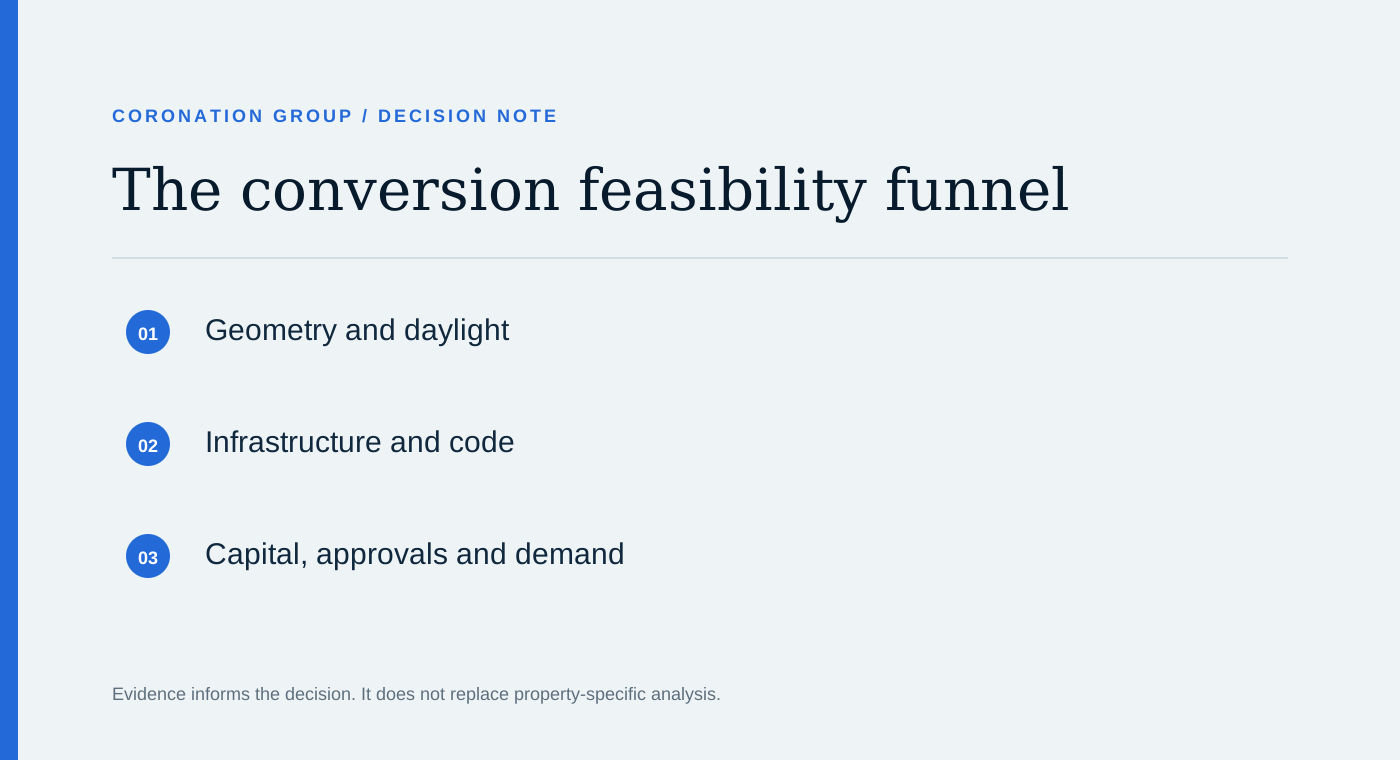
A successful project must survive at least five screens.
First is physical geometry. Residential units need light, air, workable depths and efficient circulation. Deep office floor plates can leave large internal areas with no economical residential use. Window spacing, column grids, elevator cores and structural systems determine whether a plausible plan can become a buildable one.
Second is building infrastructure. Plumbing distribution, electrical capacity, ventilation, life-safety systems and vertical transportation were designed for a different occupancy pattern. Replacing them can consume the apparent discount in the acquisition price.
Third is regulation. Zoning may allow the destination use, but building codes, accessibility requirements, historic review, parking rules and entitlement conditions can still alter cost and timing.
Fourth is finance. A conversion has to carry acquisition, design, approvals, construction, contingencies and lease-up while competing with ground-up alternatives. Incentives can close a gap, but they do not make an unworkable building workable.
Fifth is demand. Converting an obsolete office into an average apartment building does not guarantee success. The new product still needs the right unit mix, price position, neighborhood services and market timing.
This is why conversion should not be treated as the universal answer to vacancy. WDCEP itself cautions that conversions alone will not solve elevated office vacancy. They are one form of inventory correction, alongside renovation, recapitalization, demolition and patient reuse.
The important achievement of Office to Anything is not that every office can become something else. It is that owners have more than one destination to test. The correct process begins without a preferred answer: examine the building, the permitted uses, the economics and the demand, then identify the use the property can actually support.
The strongest conversion strategy is not optimism about reuse. It is disciplined elimination of the wrong alternatives.