
The Comparable Is Not the Conclusion: How Material Differences Change Property Value
A comparable sale is evidence—not a conclusion. Before relying on it, ask five questions: Was it a real alternative to the subject? Was the transaction verified? Did market conditions change? Which property differences are economically material? Are the required adjustments so large that the sale deserves less weight? Commercial properties rarely match cleanly. A credible analysis explains the differences and uncertainty instead of hiding them behind a price-per-square-foot average.

A comparable sale is evidence. It is not an answer.
That distinction matters because commercial properties rarely match cleanly. Two buildings may share a property type and ZIP code while differing in tenancy, condition, access, income durability, permitted use, deferred capital and the circumstances of sale. Treating the transaction price as a direct measure of another property's value converts a useful data point into false precision.
The first test is relevance. Would the buyer of the subject property have considered the comparable a realistic alternative? A warehouse with insufficient power, a medical building without the required parking or an office asset with a materially different tenant profile may belong to a different competitive set even when it is nearby.
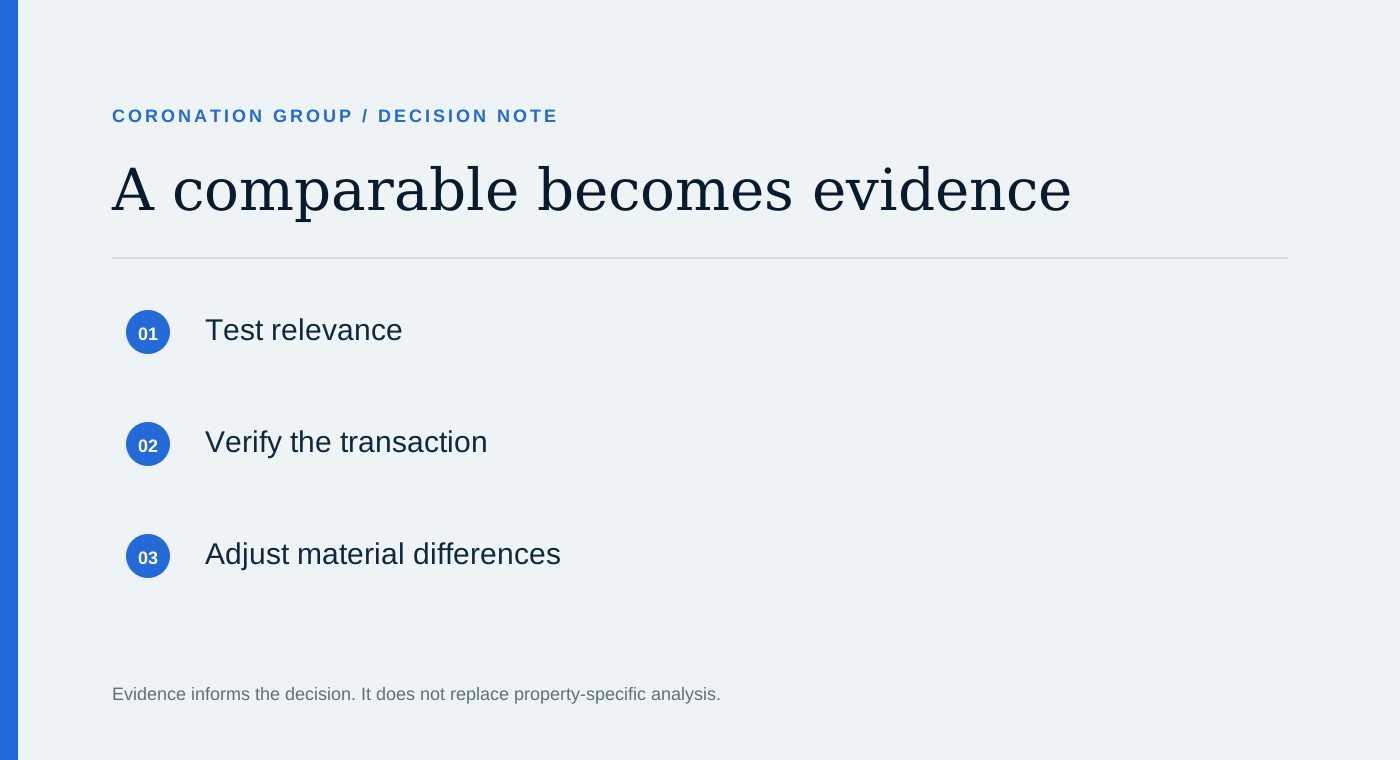
The second test is verification. A recorded price does not explain concessions, assumed debt, unusual closing terms, portfolio allocation or relationships between the parties. The Appraisal Foundation's guidance emphasizes collecting and verifying comparison data rather than relying on unexamined records.
The third test is time. Markets can reprice faster than transaction databases. Financing costs, leasing sentiment, insurance, construction pricing and tenant demand may change between the comparable's contract date and the valuation date. A recent closing can reflect negotiations conducted months earlier.
The fourth test is the property itself. Adjustments should focus on differences the market recognizes: location, use, scale, age, condition, occupancy, lease term, credit, rent position, capital needs and development or expansion potential. Not every visible difference is economically material, and not every material difference is visible.
The fifth test is magnitude. If a comparable requires numerous large adjustments, its apparent similarity may be misleading. The Appraisal Foundation notes that substantial and varied adjustments require clear reconciliation explaining why the sales were used. The objective is not to force every transaction into the analysis. It is to understand which evidence deserves the most weight.
For income-producing property, the sale comparison should also be read alongside the income. A price per square foot without the associated net operating income, lease structure, near-term rollover and capital obligations leaves out the mechanism that produced the price. A lower capitalization rate may reflect superior income durability rather than a broad market benchmark.
Good comparable analysis therefore has an argument. It explains why each transaction is relevant, what changed, which differences matter, how those differences influence price and where uncertainty remains. The adjusted range should become more credible, not merely narrower.
This is particularly important when the analysis will support a listing decision, acquisition, internal strategy or negotiation. A long table of transactions can look authoritative while avoiding the central question: what does this evidence actually say about the subject?
The value of comparable evidence is not the number of sales collected. It is the quality of judgment applied between the sales and the conclusion.