
The Washington Office Market Is Now Two Markets: Prime Buildings and Everything Else
Washington does not have one office market anymore. Prime vacancy stood at 8.3% in Q3 2026, while second-generation government space continued to account for a meaningful share of overall vacancy. The difference is not simply age or asking rent. It is whether a building can still compete for tenants on the full decision: efficiency, systems, access, experience, ownership capacity and execution. For owners, occupiers and investors, market averages now conceal more than they reveal. The building—not the submarket headline—is increasingly the real unit of analysis.
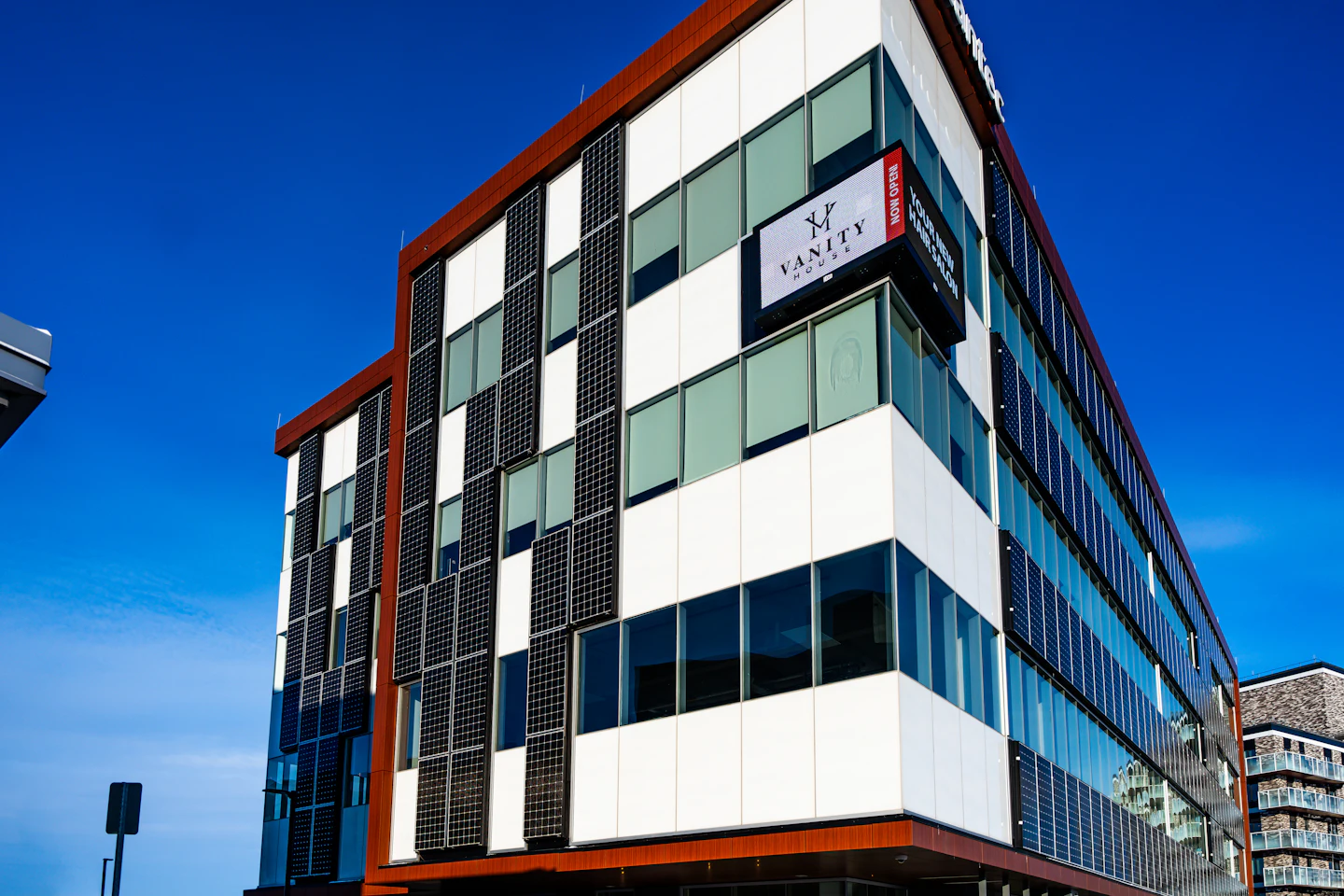
Washington's office market is often described with one vacancy rate. That shorthand is becoming less useful.
The more consequential divide is between buildings that can still compete for serious private-sector demand and buildings that remain technically available but increasingly difficult to lease on acceptable terms. In the third quarter of 2026, CBRE reported Prime—its term for Trophy-quality—vacancy in Washington at 8.3 percent. It also reported that scarcity at the top was beginning to push activity into other Class A properties, which recorded 218,400 square feet of absorption during the quarter. At the same time, second-generation government space remained a significant component of overall vacancy.
Those facts describe two markets occupying the same map.
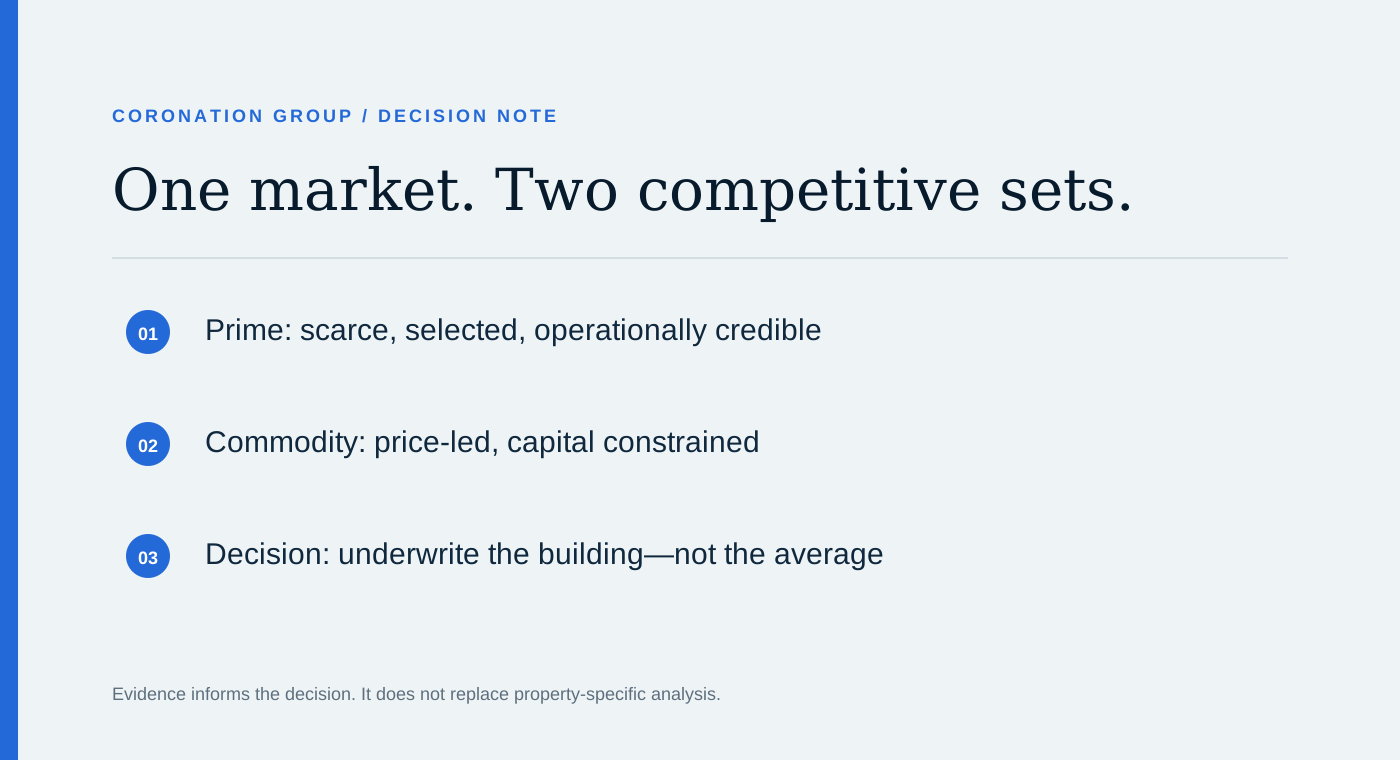
The first market contains buildings with a credible answer to the tenant's full decision: location, arrival experience, mechanical reliability, security, floor efficiency, natural light, amenities, operating responsiveness and confidence that the ownership can fund what it promises. Rent matters, but it is one variable inside a broader calculation.
The second market competes mainly by lowering its price. That can create activity, but it does not necessarily create durable demand. A concession package can narrow a financial gap; it cannot correct an inefficient floor plate, deferred systems, weak access or an ownership structure without sufficient capital.
This distinction changes how owners should read comparable leases. A nearby transaction is not automatically relevant because the buildings share a submarket or construction era. The question is whether the tenant considered the two buildings genuine alternatives. If not, the transaction may describe another competitive set.
It also changes how capital plans should be evaluated. Spending is not automatically repositioning. A renovated lobby will not make every building Prime, and a long list of amenities can become expensive decoration if the underlying product remains difficult to occupy. The useful capital plan begins with a frank diagnosis of what tenants reject and whether those deficiencies can be corrected at a cost the future income can support.
For occupiers, the bifurcation creates a different risk. The apparent bargain may be a building where future leasing weakness affects services, ownership investment or exit flexibility. Conversely, paying more for a strong building can sometimes lower total occupancy risk through better efficiency, stronger operations and greater recruiting value. The correct comparison is not face rent against face rent. It is the total economic and operational consequence of each option.
Washington is not moving toward a simple office recovery in which every building rises together. It is moving toward sharper selection. Some properties are regaining pricing power. Others are becoming conversion candidates, recapitalization problems or long-duration value projects.
The market-wide average still matters. But increasingly, the building is the market.