
Virginia Built the World's Data-Center Capital. Now Comes the Fight Over Who Pays for the Power
Northern Virginia added more than one gigawatt of data-center inventory in a year, while vacancy fell to 0.2%. The constraint is no longer demand. It is deliverable power—and the unresolved question of who funds the infrastructure behind it. For investors, entitlement without a credible energization path is not a completed site strategy. For communities, the debate is no longer about an invisible cloud; it is about substations, transmission, water, tax revenue and household cost. Virginia built the world's data-center capital. Now it has to define the public bargain that sustains it.
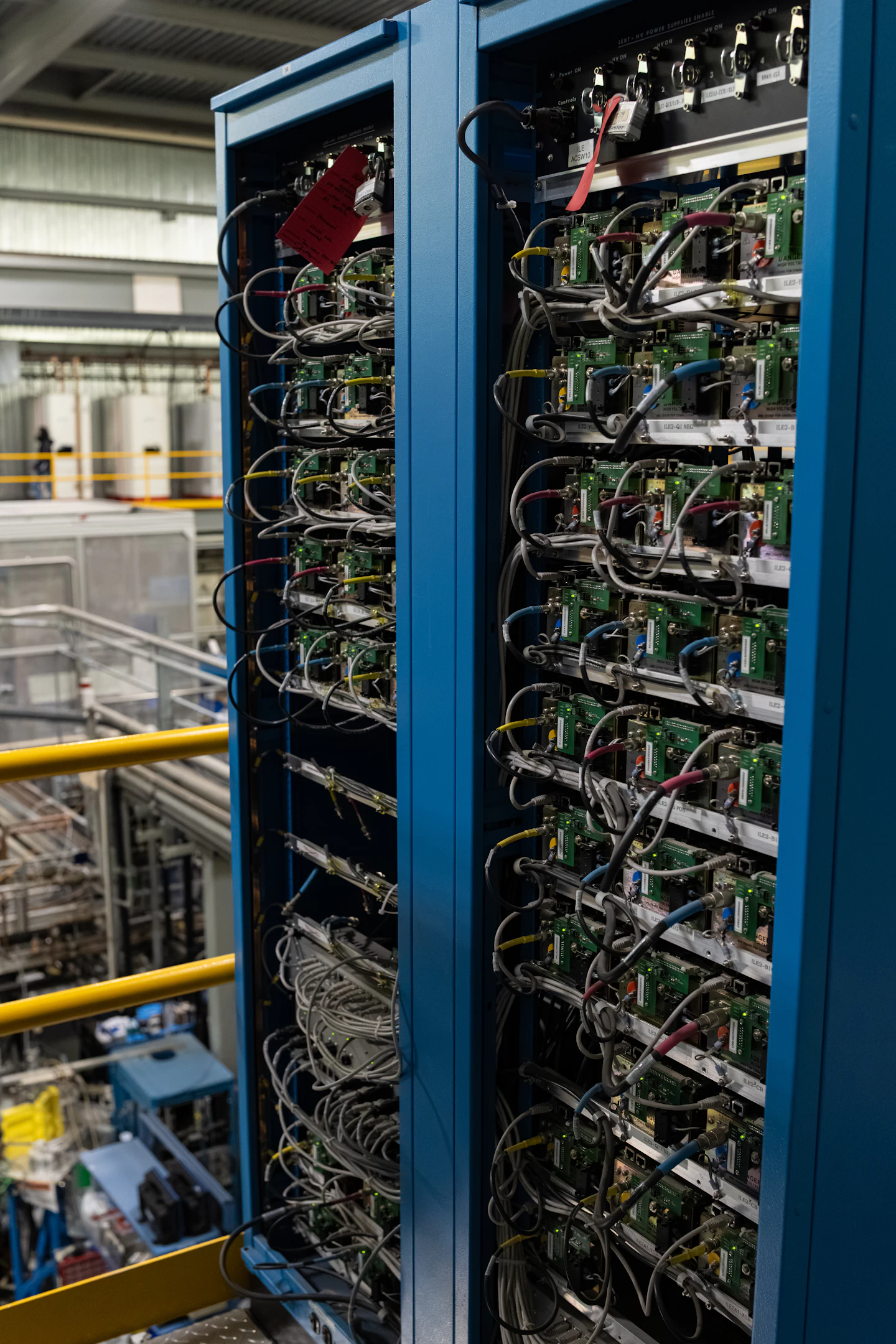
For years, Northern Virginia's data-center story was told through scale: more campuses, more servers, more tax revenue and more of the world's digital traffic passing through one region.
The next chapter is about allocation. Who receives power first? Who funds the generation and transmission needed to deliver it? Who carries the risk if projected demand arrives late—or not at all?
The real estate numbers explain why the issue has moved beyond an industry conversation. CBRE reported that Northern Virginia remained North America's largest data-center market in the first half of 2026, with 4,496.5 megawatts of inventory after adding more than one gigawatt over the preceding year. Vacancy fell to 0.2 percent, leaving just 10.8 megawatts available. Another 2,420.2 megawatts was under construction.
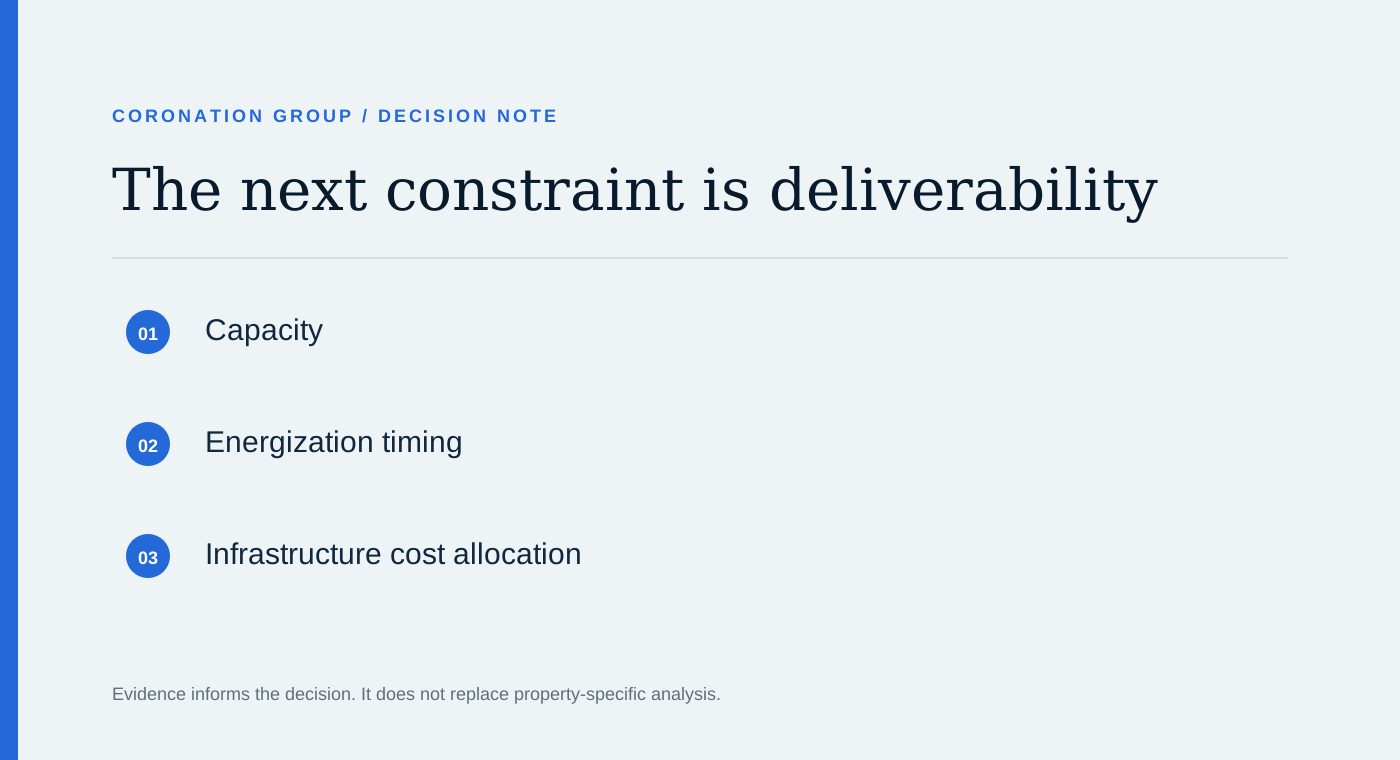
Demand at that scale changes the meaning of a development site. Land, fiber and zoning still matter. But without a credible path to power—and a delivery date that lenders and users believe—the site may not be competitive.
It also changes the public bargain. Virginia's data centers contribute jobs, investment and substantial state and local revenue. The Northern Virginia Technology Council estimates that the sector supported more than 112,000 jobs and generated nearly $40 billion in economic output across Virginia during 2024 and 2025. Those benefits are significant.
So are the infrastructure questions. New substations, transmission corridors, generation and water systems have costs and land-use consequences. When those costs affect household bills or reshape communities, the data-center approval process stops being an abstract debate about “the cloud.” It becomes a visible local negotiation.
Virginia has begun demanding more information. A 2026 State Corporation Commission reporting requirement covers contracted electric demand, water usage, generator permitting and other operating data. The Commonwealth has also considered mechanisms intended to allocate more infrastructure costs to high-load users.
For investors and landowners, this means an entitlement is no longer the same thing as deliverability. Due diligence must test utility studies, queue position, upgrade obligations, milestones, curtailment exposure, backup generation, water strategy and the enforceability of any power commitment. A site marketed with a megawatt number but without a defensible delivery path is a story, not infrastructure.
For communities, the useful question is not whether data centers are good or bad. It is whether the agreement reflects the full local exchange: fiscal benefit, infrastructure cost, environmental impact, land consumption, noise, design and long-term adaptability.
Virginia's lead was built on connectivity, available land, public policy and reliable power. Preserving that lead will require a more difficult achievement: deciding how the system expands without obscuring who pays.