
The Next Great Real Estate Divide Will Be Between Buildings With Power—and Buildings Without It
The next major divide in commercial real estate may be between properties with a credible path to power and properties without one. Data centers make the constraint visible, but laboratories, manufacturing, cold storage, EV fleets, healthcare and electrified buildings are part of the same shift. “Power nearby” is not power reserved. Buyers and tenants increasingly need to verify service capacity, redundancy, upgrade obligations, queue position and delivery timing before treating a site as viable. Location is being rewritten by the grid.
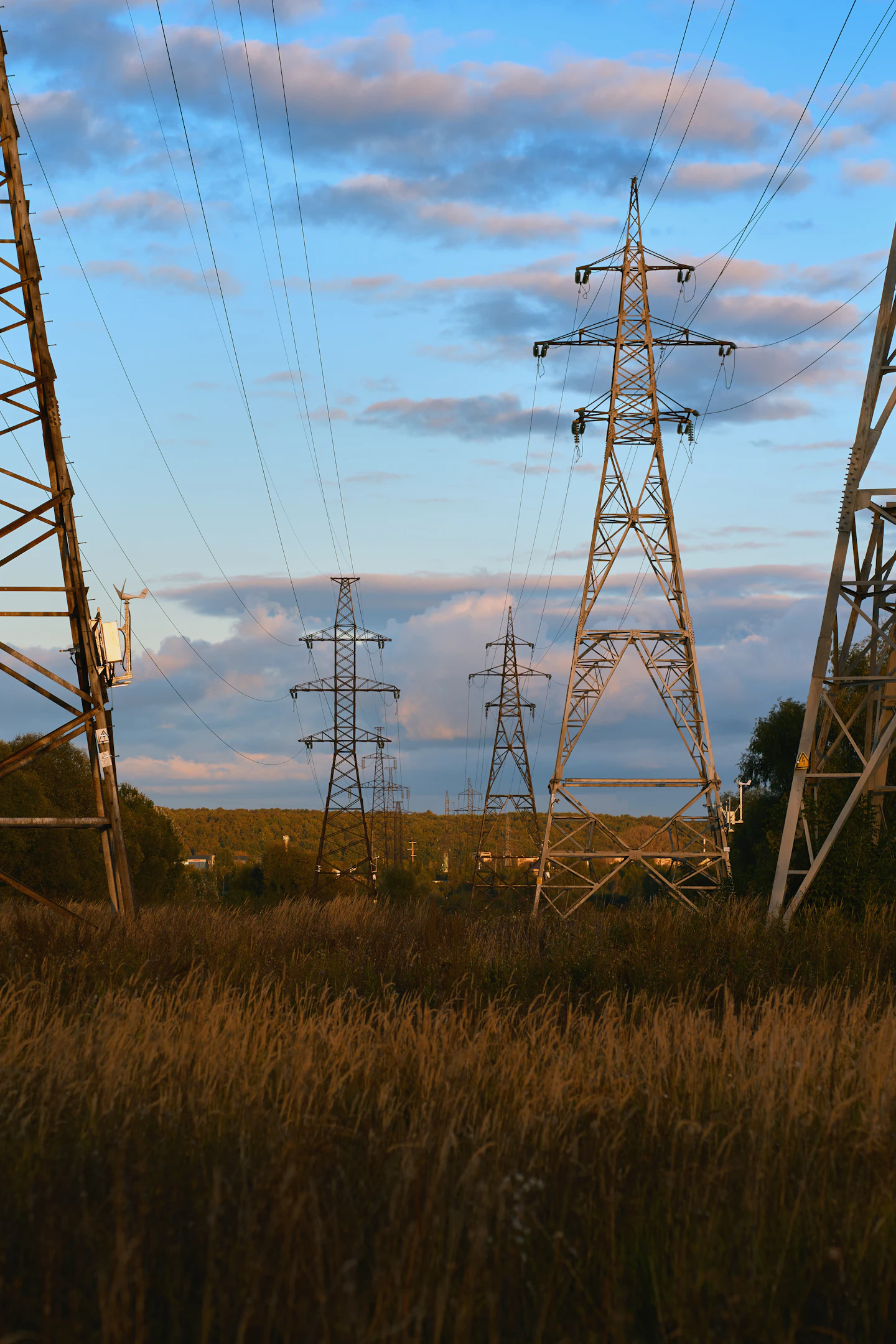
Real estate has always been described through location. Increasingly, location is being redefined by electricity.
The shift is most visible in data centers, where a site's value can depend on how many megawatts can be delivered and when. CBRE reported just 10.8 megawatts of available capacity in Northern Virginia during the first half of 2026, against a market of nearly 4,500 megawatts. Power availability remained the top challenge cited by data-center investors.
But this is not only a data-center story.
Manufacturers need reliable capacity for equipment and automation. Laboratories require intensive mechanical systems and uninterrupted operations. Cold storage, electric fleets, advanced logistics, healthcare facilities and high-performance computing all place demands on the grid that older commercial sites were not designed to meet.
At the same time, buildings are being asked to electrify. Heat pumps, electric vehicle charging, induction kitchens and emissions policies can shift loads previously served by fossil fuels onto electrical systems. A property may have sufficient capacity for today's use but not for the next tenant, the next regulation or the owner's decarbonization plan.
This creates a new form of obsolescence. Two industrial sites with similar acreage and highway access may have very different development timelines because one has a credible utility pathway and the other does not. Two office buildings may compete differently for an energy-intensive user because one can support the required load without a multi-year upgrade.
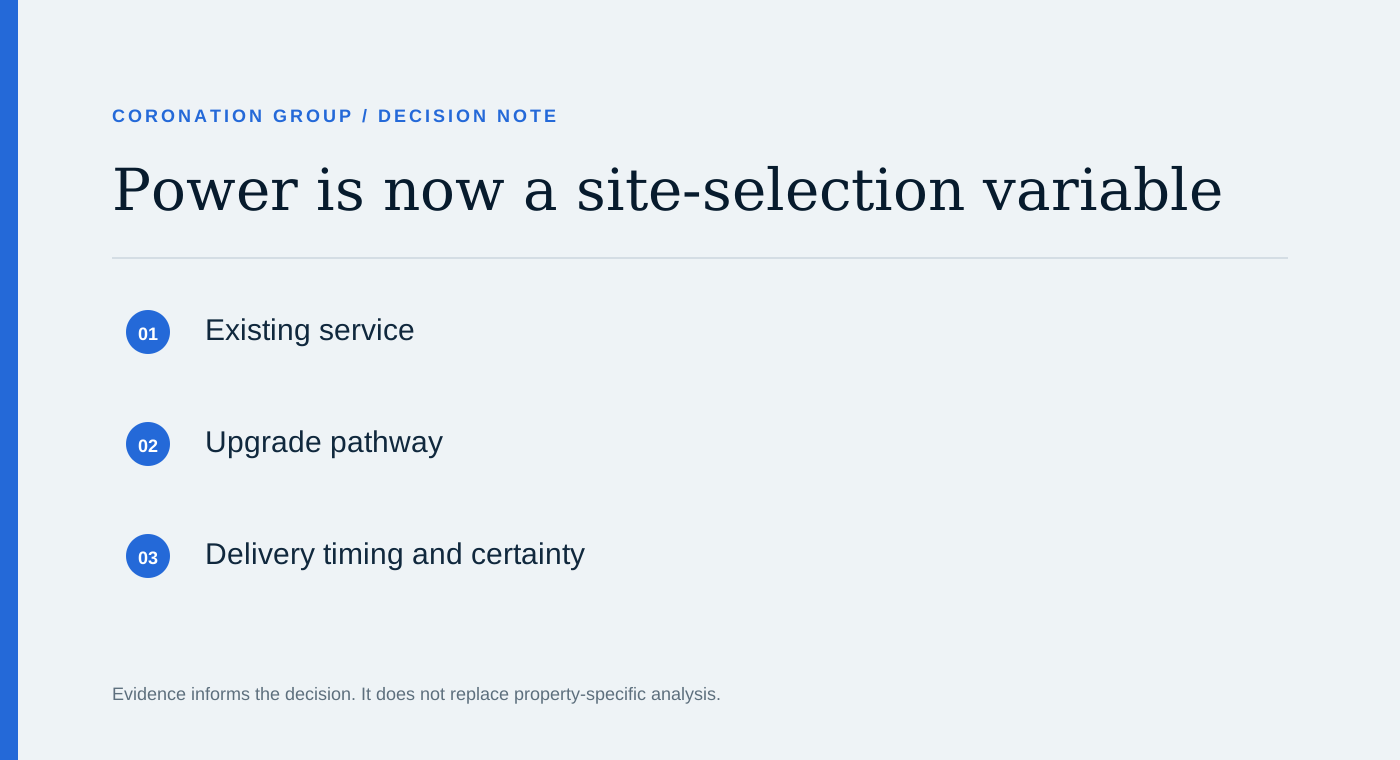
Power due diligence must therefore move earlier. Buyers and tenants should verify existing service, peak load, redundancy, expansion capacity, utility ownership boundaries, easements, substation proximity, interconnection studies, upgrade cost and delivery schedule. “Power nearby” is not the same thing as power reserved.
Owners also need to distinguish utility commitments from assumptions. A conceptual capacity estimate, a position in a study queue and an executed service agreement do not carry the same certainty. The value of the site should reflect that difference.
The public dimension matters as well. Large-load growth can require new transmission and generation with consequences beyond the property line. Virginia's developing accountability framework reflects a broader reality: communities and regulators will demand more clarity about who benefits, who pays and how infrastructure risk is assigned.
For decades, commercial real estate professionals learned to read roads, transit, zoning, labor and demographics. The next generation will also need to read substations, load curves and interconnection schedules.
The familiar phrase is “location, location, location.” In an electricity-constrained market, the sharper version may be: power, timing and certainty.